Botox on its own softens expression lines with remarkable consistency. Pair it with smart topical care and daily sun protection, and you move beyond a quick fix to a strategy that keeps skin smoother, clearer, and more resilient over years. Most patients arrive at a botox consultation with a drawer full of products and a handful of questions. Can I keep my retinoid? Do I need a different sunscreen now? Will these make my results last longer? The short answer: yes, with a few practical guardrails. The longer answer is what follows, drawn from years of treating foreheads, frown lines, and crow’s feet across skin types and ages, and troubleshooting the hiccups that happen along the way.
What botox actually changes in the skin - and what it does not
Botox injections temporarily block the nerve signals that tell specific facial muscles to contract. When the frontalis, corrugators, or orbicularis oculi take a break, the skin draped over them relaxes. That reduces dynamic wrinkles, the creases that appear when you raise your brows, scowl, or smile. It also gives chronic lines a chance to fade a bit as the skin stops being folded like paper all day.
But botox is not a resurfacing treatment. It does not thicken the epidermis, boost collagen on its own, exfoliate, or even out tone. It produces smoother movement patterns, not healthier skin. That is where retinoids and sun protection come in. Retinoids encourage better epidermal turnover and collagen support, while broad-spectrum sunscreen protects those improvements and prevents new damage. Think of botox cosmetic injections as a mechanical reset, and your topical routine as the long game.
Why retinoids make botox look better
Retinoids, vitamin A derivatives like tretinoin, adapalene, and retinaldehyde, improve cell turnover and help normalize keratinization. Over months, fine lines look shallower, skin texture feels tighter, pores appear smaller, and pigment blends more evenly. These effects complement botox anti-wrinkle injections in three practical ways.
First, retinoids work on etched-in lines that botox cannot fully erase, especially at rest. Second, smoother epidermis means the relaxed muscle beneath reads more cleanly on the surface. Third, if you’re doing preventative botox, retinoids help maintain dermal structure so mild creases do not deepen between treatment cycles. In clinic, I see the difference most clearly in patients who stick with a pea-sized night application of tretinoin for 9 to 12 months. Their botox results look crisper, they need fewer units for the forehead, and we can space appointments to the longer end of the typical 3 to 4 month window.
Sunscreen is the nonnegotiable foundation
UV radiation undermines everything you are trying to accomplish. It breaks down collagen, increases pigment, triggers redness, and accelerates laxity. Without daily SPF, you are fighting uphill. I advise patients who invest in botox wrinkle treatment to treat sunscreen like brushing teeth, not a special-occasion step. A broad-spectrum SPF 30 or higher every morning, with a proper amount and thoughtful reapplication, preserves your results and slows the reappearance of lines. If you have melasma or sun sensitivity or are using retinoids, SPF 50 is a reasonable default.
Mineral sunscreens with zinc oxide or titanium dioxide are often better tolerated around the eyes, where crow’s feet and botox for fine lines are common. Chemical filters can be perfectly fine too if they do not sting. What matters most is coverage you will wear every day.
Timing and sequence around your botox appointment
The most frequent complications I see from pairing products with botox do not come from the products themselves, but from timing and friction. Needles create microchannels. Rubbing, massaging, or using irritating actives in the first hours after injections raises the chance that the product spreads or that you develop unnecessary redness. A simple schedule avoids those pitfalls.
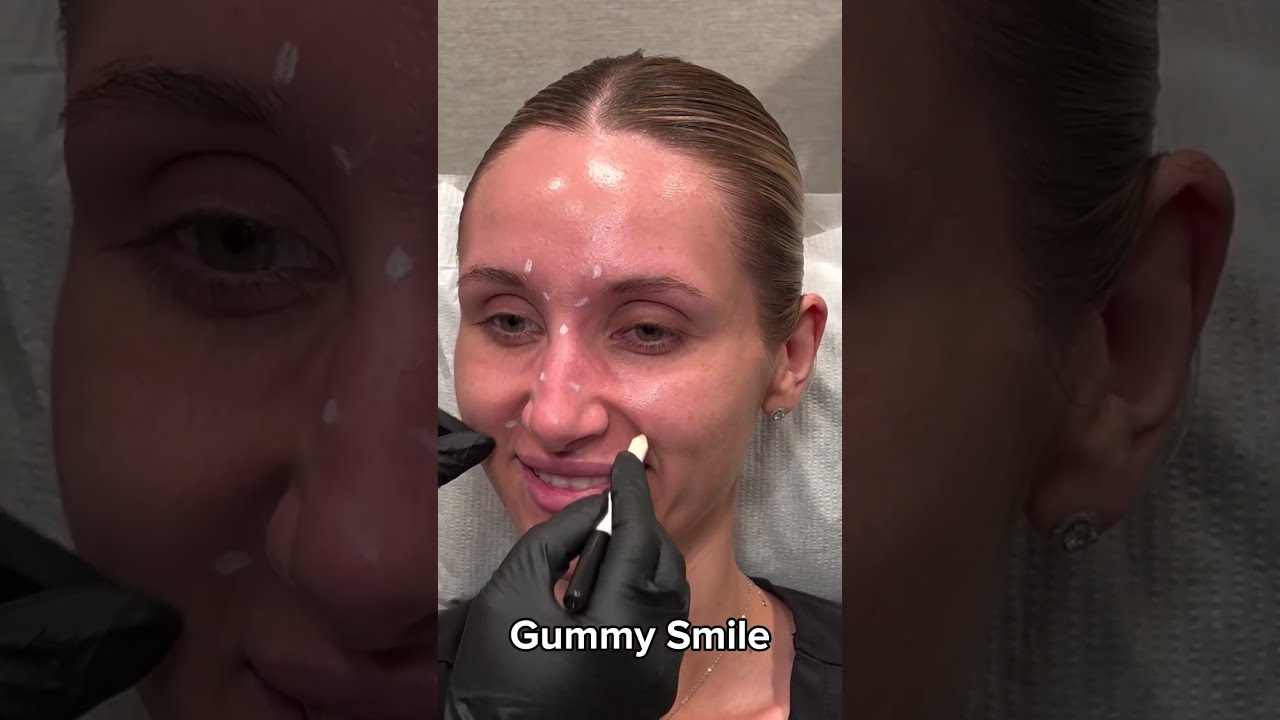
The day of your botox procedure, arrive with clean skin and no heavy occlusives. After the injections, avoid makeup, retinoids, acids, scrubs, facial massage, aggressive cleansing devices, and strenuous workouts for the rest of the day. Keep your head upright for several hours, skip tight hats, and do not press or rub the injected areas.
By the next morning, you can resume gentle cleansing, a bland moisturizer, and sunscreen. Retinoids can restart 24 to 48 hours after the appointment if your skin feels calm. If you have a history of irritation, wait 72 hours. The needles are small, but that brief pause prevents avoidable flares.
How to layer: retinoids, sunscreen, and everything in between
Morning should be boring. Cleanse if needed, apply an antioxidant serum if you tolerate it, then moisturizer and sunscreen. If you love actives, shift most of them to night. Retinoids go on clean, dry skin after washing in the evening. A pea-sized amount for the whole face is enough. Dab across forehead, cheeks, and chin, then spread thinly. Follow with a simple moisturizer after 10 to 20 minutes, or immediately if you are sensitive. Around the crow’s feet zone, a grain-of-rice amount total for both sides prevents overuse. If you are receiving botox for frown lines, avoid pushing product into the injection points on night one, but after that, normal application is fine.
Patients often ask whether retinoids make botox wear off faster. They do not. Retinoids work in the epidermis and dermis. Botox acts at the neuromuscular junction. Different targets, different mechanisms. What can shorten botox duration is heavy exercise in the first 24 hours, rubbing, or accidental migration caused by massage and pressure. After that window, your skincare is unlikely to affect longevity.
Choosing the right retinoid for your skin and goals
Not every retinoid behaves the same, and not every face needs prescription strength from day one. Tretinoin remains the workhorse for collagen support and fine-line reduction. It has the strongest track record in peer-reviewed studies, with visible improvements in 12 to 24 weeks for most people. Strengths typically range from 0.025 to 0.1 percent. If you tolerate retinoids well and your goals include improving texture between botox appointments, tretinoin is a logical choice.
Adapalene, now available over the counter at 0.1 percent and by prescription at 0.3 percent, excels for breakout-prone skin. It is more stable to light and oxygen, and many patients find it less irritating than tretinoin. If you are managing adult acne along with botox for forehead lines, adapalene can control congestion while the injections soften movement lines.
Retinaldehyde and retinol are gentler options. They convert to the active form in the skin and can produce gradual, meaningful improvements with fewer side effects. If your skin is reactive, rosacea-prone, or you have eczema patches, these are safer starts, particularly around the eyes where botox cosmetic injections treat crow’s feet. For hyperpigmentation concerns, pairing retinoids with azelaic acid or niacinamide can help even tone without compounding irritation.
A realistic adaptation period, and how to avoid the purge
When patients start a retinoid alongside new botox services, I set expectations clearly. Weeks 1 to 2 can bring mild dryness, tightness, and flaking. Some will see small breakouts or clogged pores loosen before they clear. This is not a failure of the routine, but part of the adjustment. If your skin is heavily irritated, reduce frequency to every third night, then every other night as comfort allows. Buffering, which means layering moisturizer before and after the retinoid, often fixes the problem without abandoning the ingredient.
The eyelids are a special case. I almost never recommend applying retinoids directly to the mobile lid. You can take a cautious approach by applying to the botox MI cosmediclasermd.com orbital bone and letting a whisper migrate as you sleep. That reduces risks of stinging and eyelid dermatitis while still improving fine crinkles over time.
Sunscreen specifics that matter with botox
Broad-spectrum coverage is the headline, but details make or break daily wear. Texture, cast, and eye comfort drive adherence. If you are darker-skinned and struggle with mineral sunscreen cast, look for tints with iron oxides that help protect against visible light as well as UVA and UVB. If you get stingy eyes, try a water-resistant formula and keep application just outside the orbital rim, then rely on sunglasses for the immediate eye area.
Target a nickel-sized amount, roughly 2 milligrams per square centimeter, for face and neck. Most people use half that, then blame their sunscreen when pigment or lines progress. Reapply if you are outdoors more than two hours, sweating, or wiping your face. For office days with minimal sun, a single morning application often suffices. If you drive frequently, keep in mind that UVA penetrates glass. That matters for frown lines and crow’s feet that receive botox anti-wrinkle injections but sit under thin skin where photoaging accumulates fast.
Where exfoliating acids fit, and where they do not
Alpha hydroxy acids like glycolic and lactic acid, and beta hydroxy acid like salicylic acid, can complement retinoids by brightening and clearing pores. The trap is stacking too many actives around the time of a botox appointment. I recommend pressing pause on acids for 24 to 48 hours post-injection, similar to retinoids, then using them no more than a couple of times per week if your skin tolerates the combination. If you are on tretinoin, consider gentler acids or enzyme exfoliants to avoid chronic barrier disruption. A compromised barrier makes the eye area look crinklier, undermining what botox shots just improved.
Special zones: forehead, glabella, and crow’s feet
Forehead botox for expression lines, especially in patients with thin skin or strong frontalis muscles, can create a subtly drier-looking surface if the barrier is not supported. A light, fast-absorbing moisturizer with ceramides at night offsets that. Retinoids on the forehead tolerate well, but this is the zone where people commonly overapply. Keep to a pea-sized total for the face, not a pea per area.
The glabella, or frown line region, can get shiny and congested. If you are using botox for frown lines and struggling with comedones between the brows, add a salicylic acid leave-on once or twice a week, applied gently, avoiding the first night post-treatment.
For crow’s feet, less is more with both retinoids and acids. The skin here is thin, and the orbicularis oculi is active. A slow ramp, every third night for several weeks, prevents over-stripping. Mineral sunscreen applied lightly, with sunglasses and a hat outdoors, maintains gains without irritation.
First-time botox users: setting the routine from day one
New patients often mix fear and excitement. They want subtle botox, not frozen faces, and they want instructions they can actually follow. I counsel a simple path. Confirm your sunscreen, choose one retinoid, and stick to it. Skip the temptation to pile on peptides and five different serums.
Expect to see early botox results in 3 to 7 days, with peak at two weeks. Book a follow up at that two-week mark if this is your first treatment, especially for a brow lift or lip flip, so finer adjustments can be made without overshooting. Keep your skincare consistent through that period so your provider can judge muscle response accurately without confusing it with irritation or swelling from a new product.
Maintenance across cycles: why consistency beats chasing specials
Botox cost and botox pricing vary by region, provider experience, and the number of units used. Deals, discounts, and packages can be attractive, but the most cost-effective plan is steady maintenance with an experienced botox specialist who tracks your dosing and intervals. Over time, many patients extend from 12 to 16 weeks between treatments, sometimes longer, especially when retinoids and sunscreen are handled well and movement patterns soften through habit.
If budget is tight, I would rather you prioritize a reliable botox provider and a daily sunscreen, then add a well-chosen retinoid. Cutting corners with frequent clinic changes or inconsistent dosing often leads to more touch ups and less predictable results. Documentation matters. Ask your botox doctor to note units and injection points. Photos help too. A clear botox before and after set from the same lighting and expression tells the truth better than memory.
Skin types, sensitivities, and exceptions to the rule
Not everyone tolerates retinoids. Rosacea, eczema, or very reactive skin may flare. In these cases, consider azelaic acid 10 to 15 percent at night, or a retinaldehyde at low strength, a few nights per week. Barrier-first routines still pair beautifully with botox facial treatment. Niacinamide at 2 to 5 percent supports barrier function and can quiet redness. If you have melanin-rich skin and a history of post-inflammatory hyperpigmentation, be gentle with actives and be strict with sunscreen and sun avoidance for at least a week after botox cosmetic injections to minimize any transient marks at needle entry points.
Pregnancy changes the calculus. Cosmetic botox is typically deferred, and many retinoids are avoided. If you are planning pregnancy, discuss timelines during your botox consultation so you can space appointments appropriately and transition your skincare to pregnancy-safe options ahead of time.
Masseter botox, jawlines, and chewing habits
Masseter botox for jaw slimming has become common, and it raises its own skincare questions. Topicals do little for the lower face shape, but sunscreen remains crucial since the jawline and neck are sun-exposed and prone to textural changes. Retinoids can help smooth chin and marionette areas, but be conservative near the corners of the mouth, which can get irritated. If nighttime drooling or teeth grinding is an issue, fix those habits because constant moisture or pressure can disrupt the barrier and obscure your results.
How long botox lasts, and what you can do to keep results stable
Most patients experience 3 to 4 months of benefit, sometimes stretching to 5 or 6 with consistent care and lighter movement habits. The dynamic zones you animate all day wear off a bit faster than areas you recruit less. Your skincare does not change the pharmacology, but by keeping the epidermis smooth and even, it keeps the appearance of the result optimal right up to your next visit. That means fewer abrupt dips and spikes in how you look across the calendar. Add healthy basics like sleep, hydration, and avoiding excessive sun, and you will see the difference in photos.
Risks, side effects, and how products intersect with safety
Common botox side effects include small injection site bumps, redness, and occasional bruising. Retinoids and acids can make bruises look angrier for a day or two, so keep them off any bruised area until the color fades. Rarely, product migration leads to brow heaviness or lid ptosis. Topicals cannot fix that. Time and, in specific cases, eyedrops prescribed by a physician are the solutions. If you feel unusual weakness outside the treated zone, call your clinic. For most mild redness or flaking, a pause on actives, a bland moisturizer, and sunscreen are enough.
Allergic reactions to botox are rare, but sensitivity to preservatives in topicals is not. If you develop new rashes after changing products around your botox appointment, isolate variables. Reintroduce one product at a time over several days to find the culprit.
How a seasoned routine looks over six months
Imagine a 38-year-old with prominent forehead lines and early crow’s feet. We agree on subtle botox at the brow and around the eyes, 22 to 30 units tailored to anatomy and expression strength. She starts tretinoin 0.025 percent at night, twice a week for the first two weeks, then every other night. Mornings are quiet: gentle cleanser, a hydrating serum, moisturizer, mineral SPF 50. She rechecks at two weeks for fine-tuning, then continues the same routine. At month three, the movement starts to return, but the skin surface is smoother and less creased at rest. We repeat botox at four months. By month six, she uses tretinoin nightly with minimal flaking, and her photos show a softer brow lift and finer texture around the eyes, with less makeup settling in lines. The cost per year is lower than the first year because we use slightly fewer units and stretch the interval. Nothing flashy, just reliable execution.

When fillers enter the picture, and when they should not
Botox vs fillers is not an either-or. Fillers restore volume, botox relaxes muscle pull. If deep glabellar grooves or etched crow’s feet remain at rest even with good botox results and retinoids, microdroplet hyaluronic acid in carefully chosen planes can help. That said, I avoid filler in the frontalis in most cases. For the under-eye region, proceed only with a specialist who treats that area frequently. Sun protection and retinoids remain the safety net, whichever path you choose.
Working with your clinic to personalize care
A strong botox provider does more than inject. They help you set a routine you can maintain. Be honest about habits, irritations, and constraints. Bring product names to your botox appointment, or photos of the labels. Ask about sequence, pause days, and what to do if you peel. Clarify the plan for special events like weddings or photo shoots. If you need preventative botox or baby botox for early lines, expect lighter dosing and more attention to how your skincare supports the skin’s bounce. If you are seeking natural botox results, communicate which expressions matter to you. We can leave some movement while still smoothing the harsh creases.
A compact playbook for pairing botox, retinoids, and sunscreen
- The day of botox injections: avoid rubbing, heavy makeup, retinoids, acids, and workouts. Keep your head upright for several hours and skip tight hats. Restart retinoids 24 to 48 hours later if skin is calm. Start every third night and build up. Use a pea-sized amount for the whole face. Wear broad-spectrum SPF 30 to 50 every morning, apply enough, and reapply for outdoor time. Mineral near the eyes, any well-tolerated formula elsewhere. Keep morning simple. Save most actives for night. Moisturize to support barrier function and reduce flaking. Photograph your face with consistent lighting before each botox appointment and two weeks after. Share the set with your provider to refine dosing and placement.
The bigger picture: aging on your terms
No single service or serum carries the whole load. Botox aesthetic treatment softens the expressions that crease skin day in and day out. Retinoids keep the surface organized and resilient. Sunscreen keeps you from losing ground to the sun. Together, they produce a face that looks rested, not altered. The art is in the timing, the dosage, and the small adjustments based on your skin’s response. If you are consistent, the work becomes easy, and the results speak for themselves when you catch your reflection in an unflattering elevator light and still look like you slept well.
If you are ready to start, schedule a botox consultation with a qualified clinic. Ask about their follow up policy, how they photograph results, and their approach to combining injectables with topical routines. Bring your questions and your products. A good plan is straightforward, sustainable, and personal. With that foundation, botox skin treatment becomes a quiet part of your life, not a project, and your retinoid and sunscreen do the daily lifting that keeps the whole structure standing.